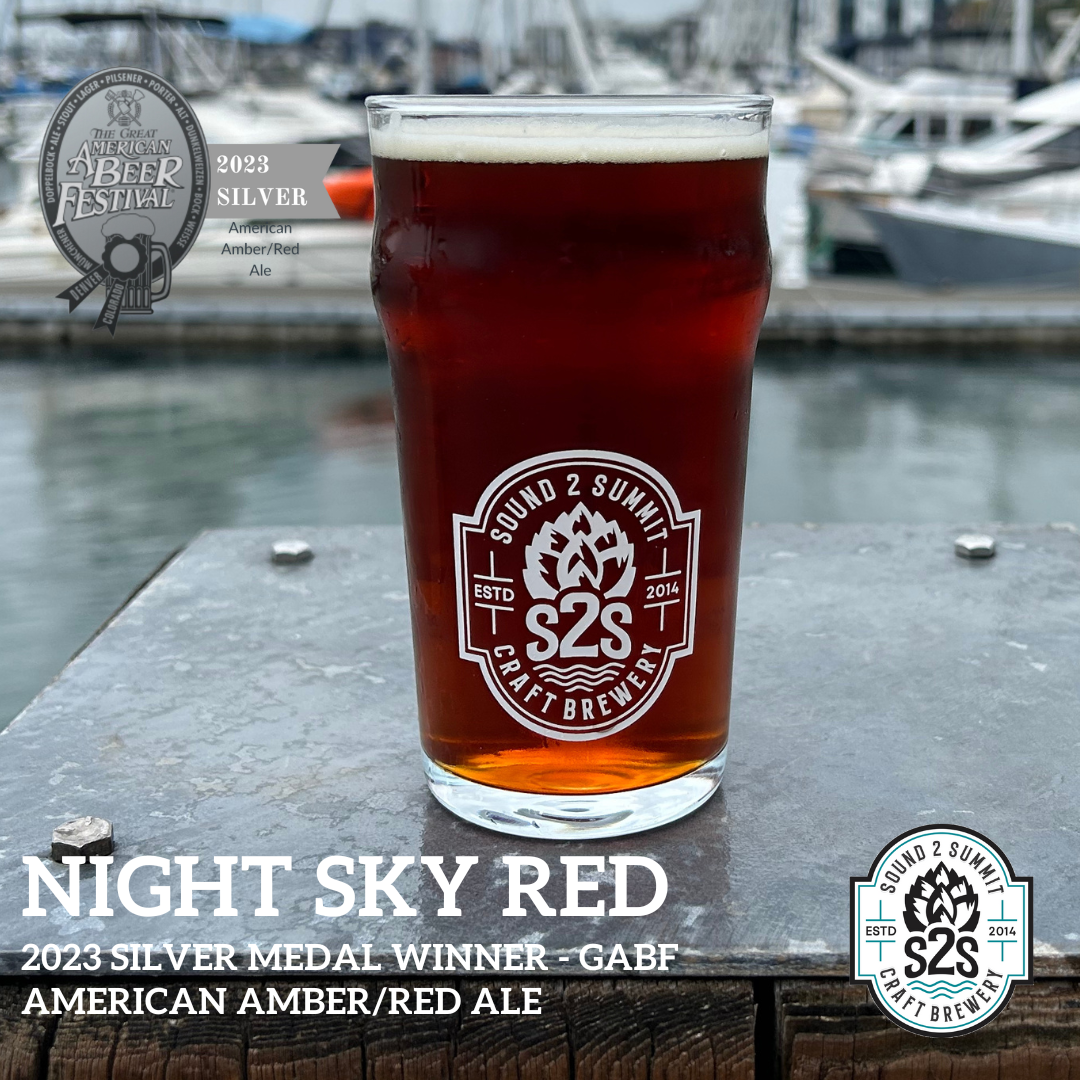
Innovation in Craft Beer
Innovation in Craft Beer
Beyond the IPA: Innovation in the World of Craft Beer
The craft beer scene is constantly evolving, pushing boundaries and defying expectations. Gone are the days of simply choosing between pale ale and stout. Today, brewers are experimenting with unique ingredients, exploring new brewing techniques, and creating truly innovative and exciting beers.
1. Pushing Flavor Boundaries:
- Wild Fermentation: Sour beers, farmhouse ales, and other wild-fermented styles are gaining popularity. Brewers are utilizing spontaneous fermentation, capturing native yeasts and bacteria to create complex and unique flavor profiles.
- Ingredient Exploration: From incorporating local honey and fruits to using unusual spices like cardamom and saffron, brewers are constantly searching for new flavor combinations.
- Non-Traditional Grains: Beyond the standard barley and wheat, brewers are experimenting with grains like rye, oats, and even corn to create unique textures and flavors.
2. Brewing Techniques:
- Barrel Aging: Aging beer in whiskey barrels, wine barrels, and even rum barrels imparts complex flavors and adds depth to the finished product.
- Cold Hopping: Adding hops to the beer after fermentation allows for intense hop aroma and flavor without excessive bitterness.
- Mixed Fermentation: Combining different yeasts and bacteria during fermentation creates a complex interplay of flavors and textures.
3. Sustainability and Collaboration:
- Local Sourcing: Many breweries are prioritizing locally sourced ingredients, reducing their environmental impact and supporting local farmers.
- Community Partnerships: Collaborations between breweries, local businesses, and non-profit organizations are becoming increasingly common.
- Sustainable Practices: From utilizing solar power to reducing water usage, many breweries are adopting sustainable practices to minimize their environmental footprint.
4. Technology and Innovation:
- Precision Fermentation: This technology allows brewers to precisely control the fermentation process, resulting in more consistent and higher-quality beers.
- Artificial Intelligence: AI is being used to analyze data, predict trends, and even assist in the brewing process itself.
- Innovative Packaging: From cans to kegs to crowlers, breweries are constantly exploring new and innovative packaging options.
The future of craft beer is bright, filled with exciting possibilities and endless creativity. As brewers continue to push boundaries and experiment with new techniques, we can expect to see even more exciting and innovative beers in the years to come.
One of the biggest reason Craft Beer is empowered to create new flavors is that for breweries that DO NOT DISTRIBUTE, there is more flexibility. Mid-sized to large breweries have submitted their recipes and labels to TTB (Alcohol and Tobacco Tax and Trade Bureau) who regulate can labels and distribution to ensure compliancy and legality.
Not being tied to TTB (Alcohol and Tobacco Tax and Trade Bureau) formulas can offer several benefits for beverage producers, particularly those seeking innovation and flexibility:
Increased Creativity and Experimentation:
- Ingredient Freedom: Producers can explore a wider range of ingredients, including novel additives, botanicals, and unique flavor combinations that may not fit within strict TTB guidelines. This opens doors to crafting truly distinctive and original beverages.
- Process Flexibility: Breweries, wineries, and distilleries can experiment with unconventional production methods, such as alternative fermentation techniques, unique aging processes, or innovative filtration systems, without the constraints of adhering to specific TTB-approved procedures.
Faster Time-to-Market:
- Reduced Regulatory Hurdles: The TTB formula approval process can be time-consuming. 1 By avoiding this step, producers can significantly accelerate the development and launch of new products, gaining a competitive edge in a rapidly evolving market.
- Agility and Responsiveness: This freedom allows producers to quickly adapt to changing consumer preferences, market trends, and seasonal demands by rapidly introducing new or modified products.
Cost Savings:
- Reduced Regulatory Costs: The TTB formula approval process involves fees and administrative costs. By circumventing this process, producers can save on these expenses.
- Streamlined Production: Greater flexibility in production can lead to more efficient processes, potentially reducing overall production costs.
Differentiation:
- Unique Selling Proposition: Products crafted outside of traditional TTB frameworks can offer a distinct point of differentiation, attracting consumers who seek unique and innovative experiences.
- Premium Positioning: The ability to create truly unique and high-quality beverages can allow producers to position their products as premium offerings, commanding higher price points.
By embracing flexibility and pushing creative boundaries, craft beer producers can leverage the benefits of not being tied to TTB formulas to develop truly exceptional and distinctive beers that stand out in a competitive market.
What are your favorite examples of innovative craft beers? Share your thoughts in the comments below!